
First Time in Egypt 2026 — Complete Itinerary Guide
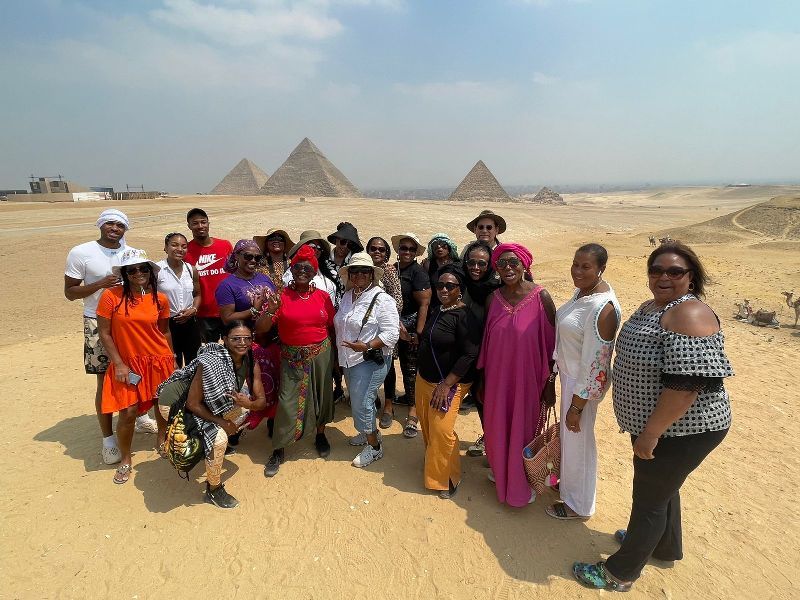
Egypt is one of those destinations that changes people. Travellers arrive expecting impressive ruins and leave having experienced something they cannot fully explain — a sense of scale, of time, of human achievement that no photograph prepares you for. If this is your first visit, this guide will help you make the most of every day.
Before the Itinerary: Four Decisions to Make First
Before choosing how many days to spend where, answer these four questions honestly:
- How long do you have? 7 days is a tight but doable first Egypt trip. 10 days is comfortable. 14 days lets you breathe and enjoy. Less than 7 days means you will be rushed and likely disappointed.
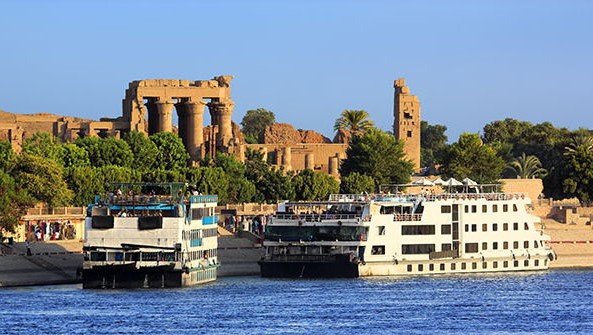
- Is a Nile cruise on your list? It should be. A 4-night cruise from Luxor to Aswan is the backbone of any Egypt trip and the most efficient way to see Upper Egypt's temples. See our full cruise selection here.
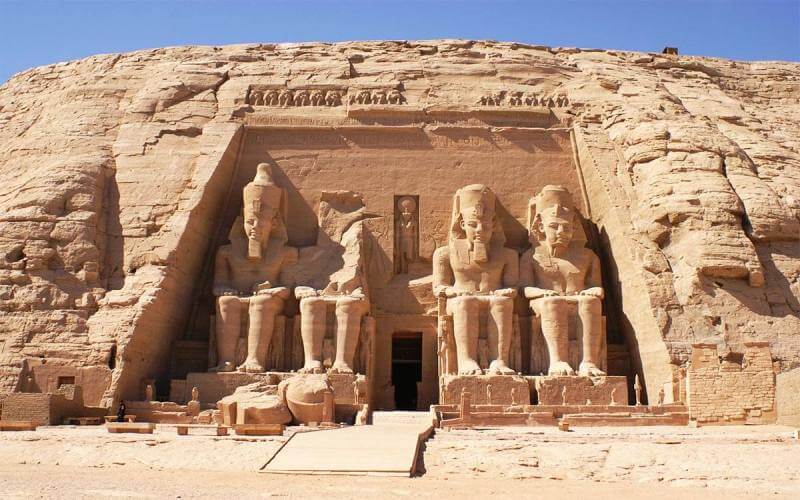
- Do you want Abu Simbel? If yes, add at least one extra day in Aswan. Abu Simbel is 280km south and requires a dedicated day (fly or road convoy). It is worth every minute.
- Do you want a Red Sea extension? Three to four nights at Hurghada or Marsa Alam after the temples gives you beach, snorkelling and genuine relaxation after a culturally intense week. Very popular with families and couples.
What to See on a First Visit to Egypt — The Non-Negotiables
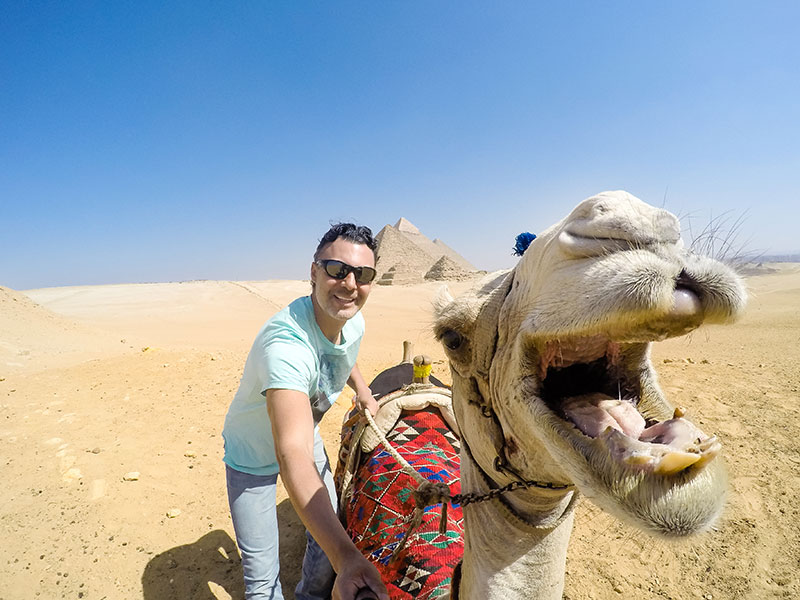
After 15 years and 50,000+ travellers, Ahmed Emam knows exactly which sites leave people speechless and which ones disappoint expectations. Here are the sites every first-time visitor must include:
Egypt Itinerary — 7 Days (Tight but Complete)
Seven days is the minimum for a meaningful first visit. This itinerary covers all the essentials at a pace that is busy but not exhausting.
- Day 1 — Arrive Cairo. Evening arrival. Transfer to hotel. Rest and acclimatise.
- Day 2 — Cairo: Pyramids + Grand Egyptian Museum. Early start at Giza (7am, before the heat and crowds). Afternoon at the Grand Egyptian Museum — Tutankhamun's treasures and the royal mummies. Evening in Zamalek or Kempinski Nile Hotel terrace.
- Day 3 — Fly Luxor. Karnak + Luxor Temple. Morning flight (50 mins). Afternoon: Karnak Temple at golden hour. Evening: Luxor Temple illuminated at night — one of Egypt's great visual experiences.
- Day 4 — Valley of the Kings + Board Cruise. Early morning Valley of the Kings (coolest part of the day). Hatshepsut's Temple. Board your Nile cruise ship at noon. Sail south.
- Day 5 — Edfu + Kom Ombo. Morning at Edfu Temple. Afternoon sailing to Kom Ombo — arrive at sunset. Watch the temple light up over the Nile from the ship's deck.
- Day 6 — Arrive Aswan. Philae + High Dam. Morning: disembark in Aswan. Philae Temple by motorboat. Aswan High Dam. Unfinished Obelisk. Felucca sunset sail.
- Day 7 — Abu Simbel + Fly Home. Early morning flight to Abu Simbel (45 mins). Two hours at the temples — allow time to stand in silence inside the Great Temple. Return flight to Cairo or fly direct home. (International connections from Cairo.)
Egypt Itinerary — 10 Days (Recommended for First-Timers)
Ten days is Ahmed's recommended minimum for a comfortable, unhurried first visit. You see everything that matters and you actually enjoy it, rather than rushing through.
- Days 1–2 — Cairo (2 nights). Day 1: Pyramids of Giza + Sphinx (full morning). Afternoon: Grand Egyptian Museum. Day 2: Islamic Cairo — the Citadel of Saladin, Al-Azhar Mosque, Khan El-Khalili bazaar. Optional: Saqqara (Step Pyramid, oldest pyramid in Egypt) for those who want to go deeper.
- Day 3 — Fly to Luxor. West Bank. Morning flight. Valley of the Kings in the afternoon (after checking in, before the 4pm crowds). Hatshepsut's Temple.
- Day 4 — Luxor East Bank + Board Cruise. Morning: Karnak Temple at sunrise. Luxor Temple. Board cruise at noon.
- Days 5–6 — Nile Cruise: Esna, Edfu, Kom Ombo. Day 5: Pass through the Esna Lock (a fascinating engineering experience). Edfu by horse-drawn carriage from the dock. Day 6: Sail to Kom Ombo. Afternoon temple visit. Arrive Aswan evening.
- Day 7 — Aswan. Philae Temple. High Dam. Unfinished Obelisk. Felucca on the Nile at sunset. Nubian village visit.
- Day 8 — Abu Simbel. Early flight to Abu Simbel. Full morning at the temples. Return to Aswan. Relaxed afternoon.
- Day 9 — Free day or Optional Extension. Options: Lake Nasser boat trip, return to Luxor for any missed sites, or fly to the Red Sea (Hurghada 1 hour).
- Day 10 — Fly Home. Cairo connection or direct international departure from Aswan/Luxor.
Egypt Itinerary — 14 Days (The Complete Experience)
Fourteen days lets you experience Egypt properly — without rushing any site and with room for the experiences that don't appear in guidebooks. Ahmed's recommendation for anyone who has the time.
- Days 1–3 — Cairo (3 nights). Full day at Giza and GEM. Islamic Cairo and Khan El-Khalili. Day trip to Saqqara and Memphis (the original ancient capital). Optional: Coptic Cairo (the Hanging Church, Babylon Fortress).
- Days 4–5 — Luxor (2 nights). Full West Bank day: Valley of the Kings, Hatshepsut, Colossi of Memnon, Valley of the Nobles. Full East Bank day: Karnak at dawn, Luxor Temple, Luxor Museum.
- Days 6–10 — Dahabiya or 4-night Nile Cruise. Five nights on a Dahabiya sailing boat is the perfect pace for a 14-day itinerary. Stops include all standard temples plus El Kab, Gebel el Silsila, Bissaw Nubian Village, and Daraw Camel Market (Tuesday mornings).
- Days 11–12 — Aswan (2 nights). Abu Simbel full day. Philae Temple. Nubian village overnight experience.
- Days 13–14 — Red Sea Extension or Fly Home. Two nights at Hurghada, Marsa Alam, or Sharm el Sheikh for beach and snorkelling. Fly home from Hurghada or Cairo.
First Time Egypt — Ahmed's 8 Most Important Tips
- Visit temples in the early morning. 7–9am at any major site means fewer crowds, better light for photography, and bearable temperatures even in winter. Karnak at sunrise is a different world from Karnak at 11am.
- Never visit Abu Simbel without a private guide. The stories inside the Great Temple — the annual solar alignment, the four seated gods, the story of the Battle of Kadesh — are everything. Without a guide you're looking at carvings. With one, you understand what you're seeing.
- Budget more time than you think for the GEM. The Grand Egyptian Museum is genuinely enormous. Most first-timers underestimate it significantly. Book a time slot in advance.
- Fly between Cairo and Luxor or Aswan. The train is an experience, but the flight is 50 minutes vs 10–13 hours. On a first trip, use the time for temples, not trains.
- Do the Nile cruise before extra Cairo time. Cairo can absorb unlimited days. The cruise has fixed departure dates. Structure the trip around the cruise first, then build Cairo around it.
- Take a private Egyptologist guide, not a group tour. At a site like the Valley of the Kings, a private guide can take you to the tombs that the group tours skip, at the pace you want, answering every question. All Best Nile Cruises programmes include a private Egyptologist.
- Don't over-plan the afternoons. Egypt temples are at their best in the early morning and late afternoon. Midday is for lunch, the ship, or the hotel pool. Fighting the heat mid-afternoon at an exposed site is the fastest route to exhaustion.
- Carry Egyptian pounds for tips and small purchases. Baksheesh (tipping) is part of Egyptian culture. Having small LE bills (10–50 LE notes) for guardians, bathroom attendants, and market sellers makes every interaction smoother.
Frequently Asked Questions — First Time in Egypt
How many days do I need for a first visit to Egypt?
Minimum 7 days for a complete trip covering Cairo, a Nile cruise, and Aswan. Ten days is Ahmed's recommended minimum for a comfortable, unhurried first visit. Fourteen days is ideal if you want the complete experience including Abu Simbel, a Red Sea extension, and time to breathe.
Should I visit Cairo or Luxor first?
Cairo first, always. Arrive into Egypt's capital, recover from the long-haul flight, visit the Pyramids and Grand Egyptian Museum, then fly south to Luxor refreshed and contextualised. The GEM prepares your eyes and mind for everything you will see on the Nile. Doing it in reverse is possible but less rewarding.
Is a Nile cruise necessary on a first Egypt trip?
Not strictly necessary, but Ahmed recommends it for every first-time visitor without exception. The temples between Luxor and Aswan — Edfu, Kom Ombo, and Philae — are best reached by cruise ship. Doing them by road means a full day of driving for sites you rush through. On a cruise, you wake up moored beside a temple, visit it in the morning, and sail on. It is the most beautiful and most efficient way to see Upper Egypt. See all cruise options here.
What is the best time of year for a first visit to Egypt?
October to February is ideal for first-time visitors. Temperatures in Luxor and Aswan are 25–30°C (77–86°F) in the day and cool at night. March and April are excellent but warming. May through September brings extreme heat (40°C+/104°F+) in Upper Egypt — manageable on a cruise with air conditioning but challenging for first-timers visiting outdoor sites. See our complete month-by-month guide to the best time for a Nile cruise.
Can I visit Egypt as a solo traveller for the first time?
Yes, absolutely. Egypt is well-suited to solo travel, particularly for those who book with a reputable operator like Best Nile Cruises. Your private guide manages all logistics, and the Nile cruise environment is safe and sociable. Solo female travellers should read our full Egypt safety guide for specific advice.
Every itinerary above can be customised to your exact dates, budget, and interests. Ahmed Emam has built first-time Egypt itineraries for solo travellers, families, honeymooners, and groups of every size since 2010. Contact us here for a personalised itinerary with no obligation, or browse our ready-made Egypt packages and our full Nile cruise selection.
Written by Ahmed Emam — Egypt travel specialist since 2010, founder of Around Egypt Tours. Has personally designed and accompanied first-time Egypt itineraries for over 50,000 travellers across 15 years. Last reviewed and updated: June 2026.