
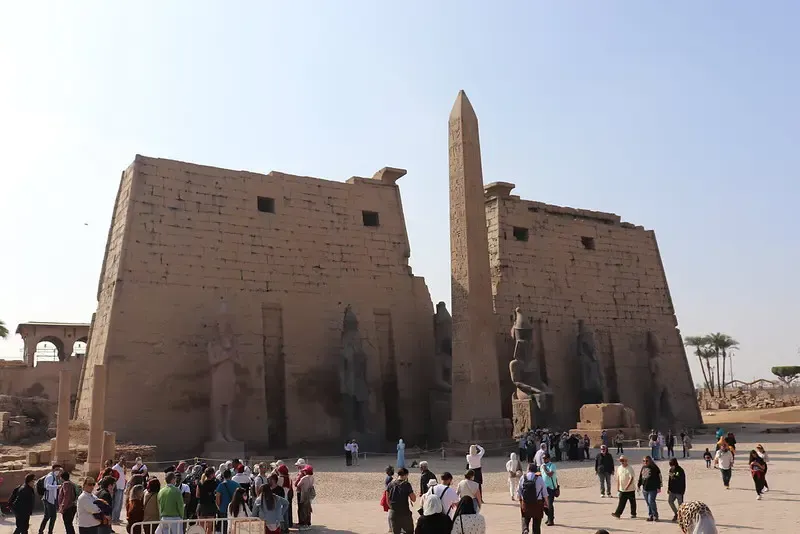
Is Egypt Safe for Tourists in 2026?
This is the first question almost every international traveller asks before booking Egypt. It is a fair question — and it deserves a straight, honest answer, not a vague “Egypt is generally safe if you take sensible precautions” that tells you nothing.
Ahmed Emam has been guiding international travellers through Egypt since 2010. He has accompanied clients from the UK, US, Australia, Germany, France, Japan, and dozens of other countries on over 50,000 individual trip days. This guide is based on that direct experience — not on news headlines or travel forum anxiety.
Egypt Safety in 2026 — The Official Position
As of 2026, all major Western governments do not advise against travel to the main tourist regions of Egypt. Here is the exact current position:
The regions to avoid — which all governments advise against — are: the North Sinai Peninsula, the Libya border zone, and areas adjacent to the Sudan border outside of Aswan city. None of these are on any standard tourist itinerary. Your Nile cruise, Cairo trip, and Abu Simbel visit are nowhere near these areas.
Safety by Region — Honest Assessment
Cairo — Is It Safe?
Yes. Cairo is a busy, chaotic, overwhelming city of 22 million people — but it is not a dangerous one for tourists. The areas visitors spend time in (Giza, Islamic Cairo, Downtown, Zamalek, Maadi) are safe to walk in daytime. The Grand Egyptian Museum opened fully in 2023 and attracts tens of thousands of international visitors weekly. Petty theft (pickpocketing, bag snatching) exists as in any major world city. Scams targeting tourists at tourist sites are the most common issue Ahmed sees — not violence. Street touts at the Pyramids can be persistent but are not dangerous. Keep your bag in front of you, agree prices before getting in a taxi or a calèche, and you will have no problems.
Luxor — Is It Safe?
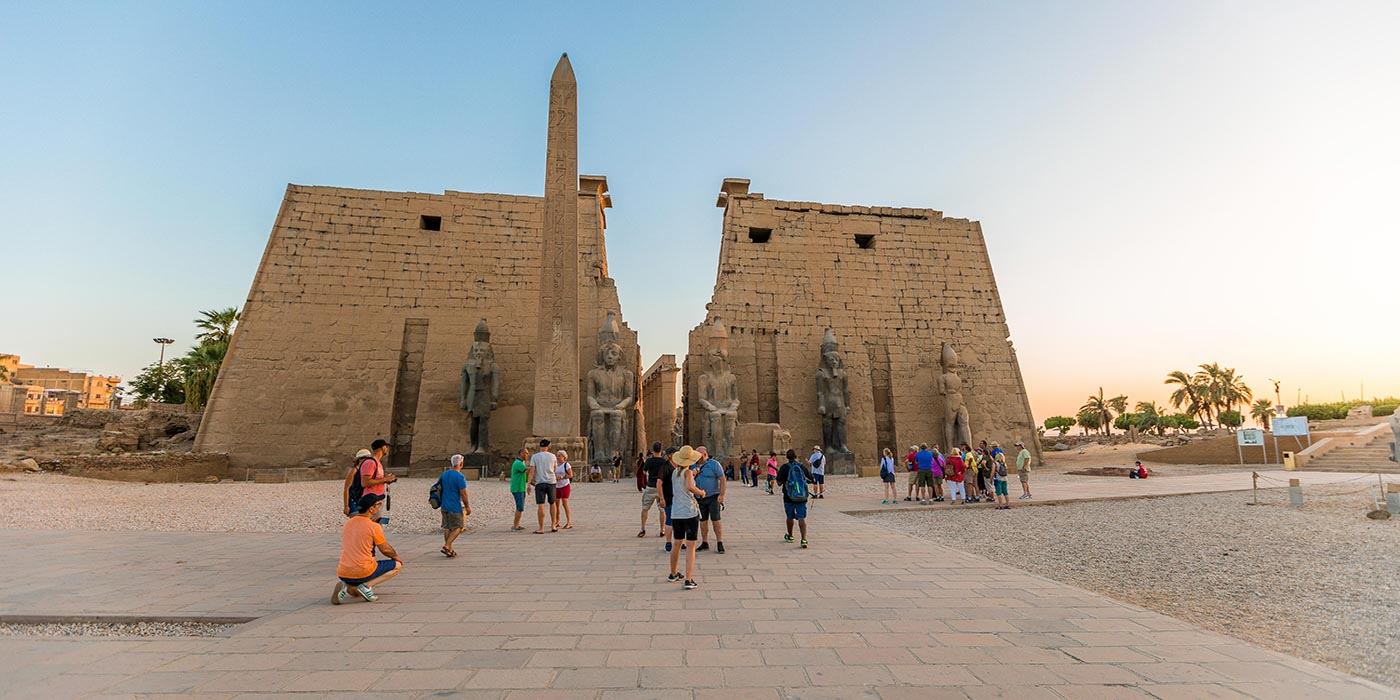
Yes, very. Luxor is Egypt’s primary tourist city and security is extensive. The Valley of the Kings, Karnak Temple, and the Theban Necropolis are visited by thousands of international visitors every day. Tourist police are present at every major site. Ahmed has never once had a security incident with a client in Luxor in 15 years. The main issue is heat (April–September) and taxi price negotiation — not safety.
Aswan — Is It Safe?
Yes — and it is arguably the most relaxed city in Egypt. Aswan is smaller, quieter, and more manageable than Cairo. The Nubian culture is warm and welcoming. The Philae Temple, Abu Simbel, and the High Dam attract significant tourist volumes. Abu Simbel requires a 45-minute flight or a 3.5-hour road convoy from Aswan — the convoy system itself is a security measure and has an excellent safety record.
On a Nile Cruise — Is It Safe?
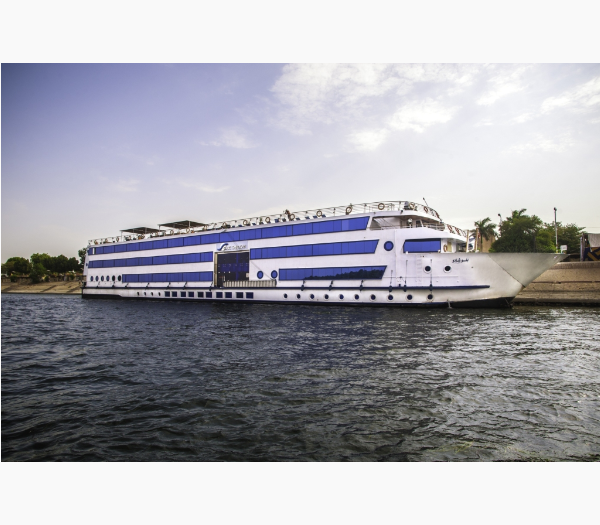
A Nile cruise is one of the safest ways to travel Egypt. You sleep on the ship, you travel with a group, your Egyptologist guide manages all logistics, and you only go ashore for guided temple visits with tourist police present. There is no public transport, no independent navigation in unfamiliar cities, and no need to negotiate anything beyond tipping. Ahmed’s clients consistently report that the Nile cruise felt safer than they expected — precisely because everything is managed for you.
Is Egypt Safe for Solo Female Travellers?
This is asked more than almost any other safety question, and it deserves a direct answer. Egypt is safe for solo female travellers, but it requires more situational awareness than, say, Japan or Iceland. The honest picture:
- Verbal harassment (comments, unwanted attention) does occur in busy street environments, particularly in Cairo. This is culturally more common than in Northern Europe or North America, and most women report it as annoying rather than threatening.
- Dressed modestly (shoulders and knees covered in public, especially at religious sites) significantly reduces unwanted attention and is respectful of local culture. On a cruise ship or in resort areas, standard Western clothing is completely fine.
- Solo women on a Nile cruise consistently report feeling extremely safe and well looked after by crew and guides. The group environment of a cruise is particularly comfortable for solo female travel.
- Using a reputable tour operator (rather than booking ad hoc locally) eliminates most of the situations where problems occur — unknown drivers, unmarked taxis, freelance guides. Ahmed’s team uses the same trusted local partners for every trip.
The Real Risks in Egypt — What Ahmed Actually Worries About
After 15 years, here is what Ahmed Emam actually sees go wrong for tourists in Egypt. It is almost never security-related:
- Heat exhaustion — Egypt in summer (May–September) is genuinely extreme. Visiting the Pyramids or Valley of the Kings at midday in July in unsuitable clothing is dangerous. Ahmed always recommends early morning visits, long sleeves, a hat, and 2+ litres of water per person.
- Food and water hygiene — Drink bottled water only. Avoid raw salads and street food from unknown vendors. Stomach upsets are the single most common health issue for Egypt visitors. On a Nile cruise or hotel, the kitchen hygiene standards are professional and issues are rare.
- Tourist scams — Overpriced taxi rides, unofficial guides, papyrus shop pressure sales, and fake “closed site” diversions are the issues Ahmed sees most often. Book through a reputable operator, agree all prices in advance, and never follow a stranger who approaches you at a tourist site offering “free” help.
- Sun and pharaoh’s revenge combination — Dehydration and stomach issues hitting at the same time. Avoidable with bottled water, sun protection, and eating only at your hotel or ship.
- Losing travel documents — Keep a photo of your passport and visa on your phone. Ahmed recommends emailing yourself a copy before departure.
10 Practical Safety Tips for Egypt 2026
- Book through a licensed, reputable Egyptian tour operator. This eliminates 90% of the situations where tourists get into trouble.
- Use Uber or Careem in Cairo instead of street taxis — fixed price, tracked, driver details recorded.
- Drink only sealed bottled water — never tap, even for brushing teeth if your stomach is sensitive.
- Visit major sites early morning (7–9am) — cooler, less crowded, better for photography.
- Dress respectfully in public areas — shoulders and knees covered outside of hotels, cruise ships, and resort beaches.
- Never follow strangers who approach you at tourist sites with offers of help, free tours, or “closed” site redirections.
- Carry small bills (Egyptian pounds) for tips and small purchases — vendors rarely have change for large notes.
- Do not photograph military installations, bridges, or government buildings — this is illegal and actively enforced.
- Keep your valuables in the hotel or ship safe when visiting crowded sites.
- Buy travel insurance that covers Egypt — including emergency medical evacuation. Egypt has good private hospitals in Cairo, but evacuation cover gives peace of mind.
Frequently Asked Questions — Egypt Safety 2026
Is Egypt safe for tourists right now in 2026?
Yes. The tourist regions of Cairo, Luxor, Aswan, the Nile Valley, and the Red Sea coast have no active government travel warnings from the UK, US, EU or Australia as of 2026. Over 15 million tourists visited Egypt in 2024. The Nile cruise corridor and major archaeological sites are among the most heavily supervised tourist environments in the world.
Is Egypt safe for solo female travellers?
Yes, with appropriate awareness. Verbal attention in busy street environments is more common than in Northern Europe. Dressing modestly, using reputable operators for transport and tours, and staying in quality hotels and cruise ships eliminates most risk. Many solo female travellers return to Egypt multiple times. A Nile cruise is particularly suitable for solo women due to the managed group environment.
Is the Sinai safe to visit in 2026?
South Sinai — including Sharm el Sheikh and Dahab — has a different advisory from North Sinai. The UK FCDO advises against all travel to North Sinai but does not advise against travel to Sharm el Sheikh and South Sinai resort areas. Always check your own government’s current advisory before travel. The North Sinai is not visited by any reputable tour operator and is not part of any standard Egypt itinerary.
Is it safe to drink tap water in Egypt?
No. Drink sealed bottled water only. This applies to brushing teeth if your stomach is sensitive to change. All reputable Nile cruise ships and hotels provide bottled water. Ice in tourist establishments is generally made from filtered water, but if in doubt, avoid it during your first few days while your stomach adjusts.
What should I not do in Egypt as a tourist?
Do not photograph military sites, bridges, or government buildings — this is illegal and prosecuted. Do not use unmarked taxis (use Uber or Careem in cities). Do not follow strangers who approach you at tourist sites. Do not buy antiquities — it is illegal to export them. Do not visit North Sinai or the Libya or Sudan border zones.
How safe is a Nile cruise compared to independent travel?
A Nile cruise is significantly more controlled than independent travel. Your Egyptologist guide manages every shore visit, your accommodation moves with you, transport is pre-arranged, and you travel with a group. For first-time Egypt visitors who have safety concerns, a Nile cruise is Ahmed’s #1 recommendation — not because Egypt is dangerous, but because the managed environment removes every logistical uncertainty that makes some travellers anxious.
Ahmed Emam has answered every Egypt safety question imaginable over 15 years. If there is something specific to your trip, family, or health situation that is making you hesitate, contact us here — no obligation, no sales pressure, just an honest answer from someone who has been there thousands of times. Or browse our Nile cruise programmes and Egypt packages to see how we structure every trip for maximum comfort and confidence.
Written by Ahmed Emam — Egypt travel specialist since 2010, founder of Around Egypt Tours. Has personally accompanied international clients through Egypt on over 50,000 individual trip days across 15 years. Last reviewed and updated: June 2026.