
Egypt Packing List 2026 — What to Wear on a Nile Cruise and at Every Temple
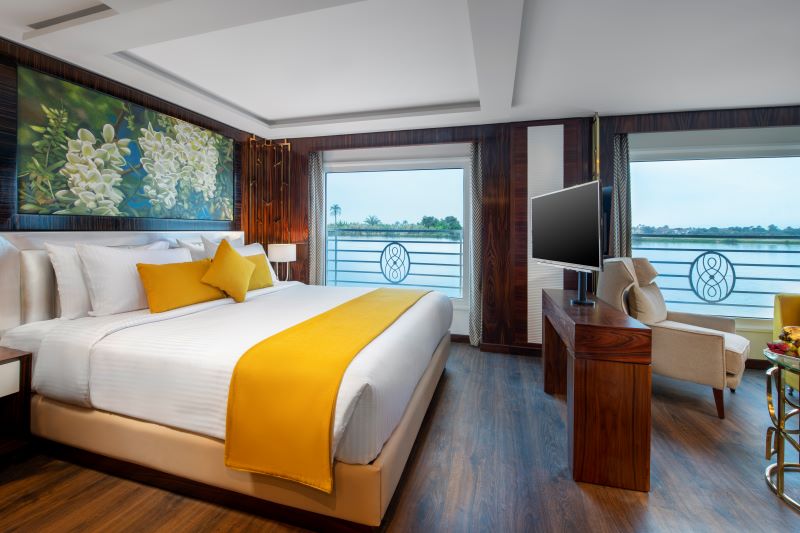
Getting the packing right for Egypt is the difference between a comfortable, confident trip and an exhausting one. The climate is extreme (dry desert heat), the dress code matters at religious sites, and your Nile cruise cabin will typically have one wardrobe, one small bathroom, and limited floor space. Pack smart and you'll enjoy every day. Overpack and you'll be dragging a bag you hate between ship and hotel.
Egypt Dress Code — The Rules That Actually Matter
Before the packing list, understand the context. Egypt has three distinct environments with different dress expectations:
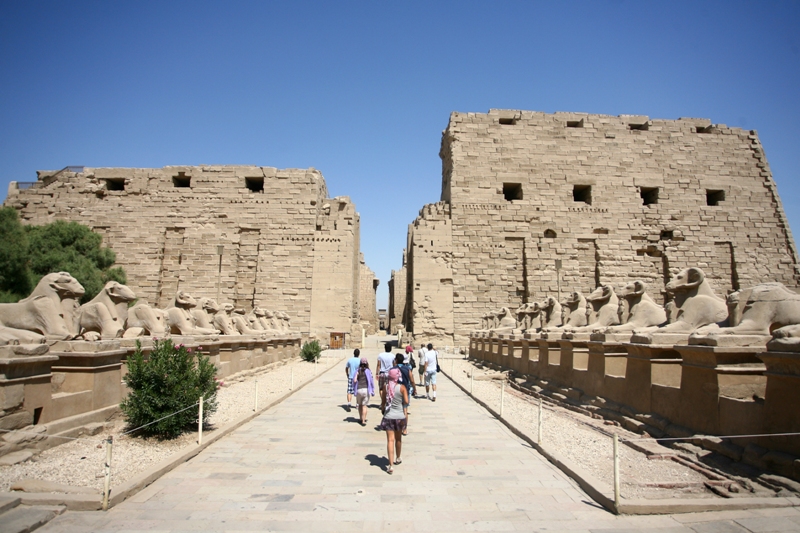
The practical solution that most experienced Egypt travellers use: lightweight linen or cotton trousers and a loose long-sleeved shirt for temple visits (protects against sun as well as respecting the dress code), changing to comfortable casual clothing onboard. One outfit covers all situations.
The Complete Egypt Packing List 2026
Clothing — For Temple Visits (the most important category)
- 3–4 lightweight linen or cotton shirts — long-sleeved for sun and dress code. Light colours (white, beige, light grey) reflect heat rather than absorbing it. This is the most important clothing item for Egypt.
- 2–3 pairs of lightweight trousers or convertible zip-off trousers — covering the knee for all temple visits. Linen is ideal. Avoid dark colours in summer.
- 1–2 lightweight long skirts (women) — excellent for temple visits; cooler than trousers in extreme heat, naturally covers the knees, and elegant for evening onboard.
- 1 lightweight scarf or pashmina (women) — doubles as a head covering for mosques, a shoulder cover for temples, and a layer in over-air-conditioned restaurants or airport lounges. Essential.
- 1 light jacket or cardigan — Nile cruise ships and Egyptian restaurants can be aggressively air-conditioned. Also useful for early morning temple visits in winter (October–February).
Clothing — Onboard the Nile Cruise
- 2–3 casual outfits — t-shirts, casual shorts or dresses for relaxing on deck between temple visits
- 1 swimsuit — for the pool deck on 4- and 5-star ships, or swimming from the Dahabiya at anchor
- 1 smart casual outfit for evenings — most 4- and 5-star Nile cruise ships have a smart casual dress standard for the dining room. No formal wear required.
- Comfortable pyjamas or loungewear — cabins are cool at night from air conditioning
Footwear — This Category Matters More Than Most People Expect
- 1 pair of broken-in, closed-toe walking shoes or trail shoes — you will walk significant distances on uneven ancient stone. Never wear new shoes on day one at a temple. This is the most common painful mistake Ahmed sees.
- 1 pair of comfortable sandals — for onboard, hotel, and casual market visits
- 1 pair of slip-on shoes or sandals with straps — for mosques (shoes removed frequently). Avoid laces for mosque visits.
- Avoid: flip-flops for temple visits (the ground is rocky and uneven), high heels anywhere (ancient stone is unforgiving), brand new trainers (blisters guaranteed).
Sun Protection — Non-Negotiable in Any Season
- Wide-brimmed hat — the single most important item for any Egypt trip. Direct sun at the Valley of the Kings or Abu Simbel with no shade is genuinely dangerous. A wide brim protects face, neck, and ears.
- High-SPF sunscreen (SPF 50+) — bring from home. Sunscreen in Egypt is expensive and the SPF selection is limited. Apply every 90 minutes outdoors.
- UV-protective sunglasses — the Egyptian desert light is intense. Polarised lenses are better for photography and eye comfort.
- Lip balm with SPF — dry desert air combined with sun dehydrates lips rapidly. Often forgotten; always regretted.
Health and Pharmacy
- Rehydration sachets (ORS) — if the heat or a stomach issue hits, these are essential. Bring 10–15 sachets.
- Anti-diarrhoeal medication — stomach adjustment happens to most visitors in the first 48–72 hours. Having Imodium or equivalent means it doesn't ruin a temple visit.
- Antihistamines — desert dust and the dry air affect many travellers.
- Any prescription medications with a full supply + extra — bring more than you need. Pharmacies in Cairo are good but specific medications may not be available.
- Small first aid kit: blister plasters, antiseptic wipes, tweezers (for splinters on ancient wooden doorways), paracetamol.
- Hand sanitiser — before meals, after market visits, at crowded sites.
Water and Hydration
- Reusable insulated water bottle (500ml–1 litre) — fill from the ship's filtered water supply and carry everywhere. Keeps water cool for 6+ hours. Ahmed recommends 2 litres minimum per person per day on-site.
- Note: Drink only sealed bottled water or ship-filtered water. Never tap water, never ice from unknown sources.
Electronics and Photography
- Camera or smartphone with ample storage — Egypt is one of the most photographed destinations on earth. Empty your storage before departure.
- Universal travel adaptor — Egypt uses Type C and Type F sockets (European round-pin, 220V). Nile cruise ships sometimes have limited socket numbers per cabin.
- Power bank (10,000–20,000mAh) — essential for full days at sites. You will use your phone for photography, maps, and translation extensively.
- Egypt SIM card — buy on arrival at Cairo Airport from Vodafone, Orange, or Etisalat. Data SIMs are inexpensive and provide excellent coverage in all tourist areas. Ship Wi-Fi is often slow.
- Torch/flashlight — the interior of many tombs in the Valley of the Kings is poorly lit. A small torch reveals carvings and colours that overhead lighting misses.
Money and Documents
- Egyptian pounds (LE) in small denominations — tip culture is significant in Egypt. Having 10 LE, 20 LE, and 50 LE notes ready avoids awkward change situations. ATMs are available at airports and in cities; exchange at your hotel or at official exchange offices, not street changers.
- Passport with minimum 6 months validity — and a photographed copy saved separately (phone + email to yourself).
- Travel insurance documents — printed and digital copy. Ensure your policy covers Egypt, emergency medical, and evacuation.
- Egypt e-Visa confirmation — most nationalities apply online at visa2egypt.gov.eg before travel. Print and bring the confirmation.
What to Leave at Home — The Overpackers' List
- Heavy jeans — miserable in the heat and slow to dry after hand-washing. Leave them.
- More than 2 pairs of shoes — shoes are heavy and take cabin space. 3 pairs maximum.
- Full-size toiletries — shampoo, conditioner, body wash are provided on all 4- and 5-star cruise ships and hotels. Travel sizes only.
- Valuables and jewellery you'd be devastated to lose — markets are crowded, sites are busy. Leave anything irreplaceable at home.
- More than one book — you'll be exhausted at night. One good Egypt history book is enough. The Oxford History of Ancient Egypt or any Egyptologist guide to the temples is more valuable than novels.
What to Buy When You Arrive in Egypt
Some items are genuinely better bought in Egypt:
- Egyptian cotton scarves and light cotton gallabiyas — available everywhere in Luxor and Aswan markets, inexpensive, and perfect for temple visits. Many tourists buy these on Day 1 and wear them every day.
- Bottled water — do not bring from home. Available everywhere at very low cost. Stock up at local shops rather than hotel shops.
- Egyptian SIM card — as noted above, buy at Cairo Airport on arrival.
- Papyrus and spices — as souvenirs, best bought from established shops in Luxor and Aswan, not from street vendors at temple gates.
Packing by Season — Quick Adjustments
Frequently Asked Questions — Egypt Packing 2026
Do I need to cover my head as a woman in Egypt?
At ancient Egyptian temples (Karnak, Luxor, Valley of the Kings, Abu Simbel, Philae) — no, head covering is not required. At active mosques (Al-Azhar in Cairo, any mosque you enter) — yes, a head covering is required for women. A lightweight scarf carried in your bag solves this instantly. It's not the same requirement as in some other destinations; outside of mosques, Egyptian society is relatively relaxed about tourist dress.
Can I wear shorts in Egypt?
On the Nile cruise ship deck, at your hotel, and at the pool: absolutely yes. At ancient temples: technically yes, as no one will turn you away for shorts, but you'll be more comfortable in lightweight trousers due to the sun exposure, and you'll feel more appropriate. At mosques: no — knees must be covered. In city streets and markets: shorts are fine but attract more attention than covered legs. Most experienced Egypt travellers simply wear lightweight trousers everywhere and find it more comfortable anyway.
How big a suitcase do I need for a Nile cruise?
One medium suitcase (approximately 23kg / 50lb hold allowance) per person is more than enough for a 10–14 day Egypt trip. Many seasoned Egypt travellers manage with a large cabin bag and a daypack. Nile cruise cabin storage is limited — typically one wardrobe, one shelf, and under-bed space. Packing light is genuinely better, not just lighter.
What shoes should I wear at the Valley of the Kings?
Closed-toe, comfortable, broken-in shoes with good grip. The path from the car park to the tombs is paved but the tomb interiors have uneven, slightly sloping stone floors. Sandals are acceptable but closed-toe shoes give better support on the descent into the deeper tombs. Never wear new shoes — the walk is significant in the heat and blisters in a tomb are miserable.
All Best Nile Cruises programmes include bottled water on the ship, towels, basic toiletries, and your private Egyptologist guide. You bring the right clothes and the curiosity — we handle the rest. Browse our Nile cruise selection or Dahabiya sailings, or contact Ahmed directly with any questions before you pack.
Written by Ahmed Emam — Egypt travel specialist since 2010, founder of Around Egypt Tours. Has personally observed packing mistakes and successes across 50,000+ client trips since 2010. Last reviewed and updated: June 2026.